


Home > Academics > Aided Courses > Science > Senior College > Biotech

Science

Senior College - Biotech

Department of Biotechnology

History

The subject of Biotechnology was started by the University of Mumbai and Jai Hind College in 2002-2003. It’s a three year Degree course. There are 35 seats per class and admission is done on H.S.C. Merit basis. It’s an unaided course. The syllabus has been drafted by the faculty to represent major areas of Biotechnology.

Acheivements from 2004 onwards

The academic year, 2004-2005, opened with Jai Hind College hosting the T.Y. Syllabus Committee workshop for all colleges in Mumbai having Biotechnology at the Degree level. First Batch of B.Sc. Biotechnology graduated  in 2004-05. Results have always been 100%. The Biotechnology Association, Mumbai Chapter was established and Dr AN Joshi is vice-chairman

Achievements of Biotechnology Association-

  1. B.Sc. Biotech students do not need to appear for M.Sc. Biotech entrance examination
  2. Admission to M.Sc. Biotech Course is on merit  of B. Sc. Biotech marks

The Academic audit Committee Inspection took place on the 22nd September 2005. Dr. Tewari, Principal, Maharshi Dayanand College and Dr Vaman Rao, Vice Principal St. Xavier’s College came for this inspection. They were equally pleased with the department, students and faculty. Staff is very active and attends various National and International Conferences/ seminars / workshops to keep themselves abreast with the latest developments and techniques in the field of Biotechnology.

Features-

  1. A Large and well equipped Laboratory
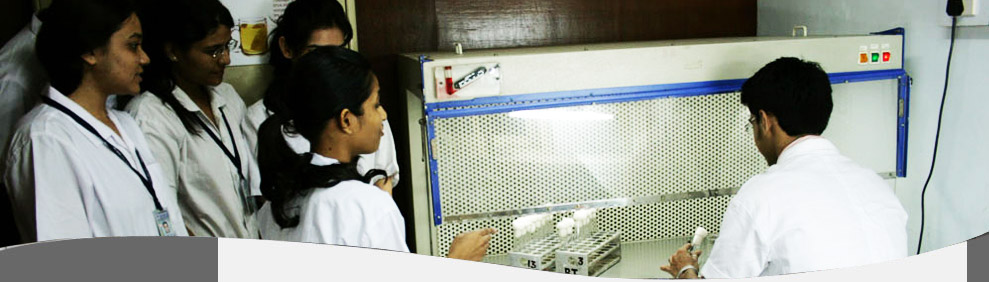
  2. Plant tissue culture lab with Laminar air flow cabinet
  3. Two teachers have received recognition for M.Sc in Biotechnology.
  4. Successful completion of a Minor research project.
  5. LCD projector

Results

img to come

Industrial Visits

  • Biocon  :Banglore
  • Wockhardt : Aurangabad 
  • NCBS : Banglore
  • CCMB : Hyderabad
  • NDDB: Anand , Gujarat
  • Amul - Anand
  • NCCS- Pune
  • Serum Institue of India - Pune
  • ICGEB-Delhi
  • IIT, Delhi
  • CPRI-Shimla
  • NBPGR-Shimla
  • Mushroom Factory and Medicine factory, Baddi, H.P
  • National institute of Ocenography, Panaji, Goa
  • Tulip Group of Companies, Goa
  • Coca Cola, Goa
  • UB Group, Goa

Genaces - Intercollegiate Biotechnology Festival of the Department of Biotechnology Jai Hind College.

Brainchild of the S.Y. B.Sc. students of the 2007 -2008 batch, and was started with the aim of inculcating the spirit of team work and enhancing management skills. Hence, the annual festival has been completely organized by the students. They collect the funds, sponsorships, campaign in other colleges, plan different events and actually execute them!

Multidisciplinary Non-Credit Course

The department in the academic year 2008-09 had organized a credit course in collaboration with Department of Bachelor of Management Studies on “Advertising and Manufacturing of FMCGproducts”.

  • B.M.S. students lack technical knowledge of such products.
  • The SY B Sc Biotech students did extensive research on the products.
  • Manufactured these products in the Biotechnology lab and tested them on a group of individuals in the college. 
  • Benefits-
    1. Learnt how FMCG products are made
    2. Tasted the trends and difficulties of marketing such products!

Internships

The department provides excellent learning environment for our students through Class room teaching, Lab work and summer training. We send our FY, SY and TY students to various industries, hospitals, Research centers & laboratories to get an insight in the practical application of their theoretical knowledge. Institutions where students are placed for their Summer Training:

  • Jaslok Hospital & Research Center
  • Haffkins Institute
  • Mithibai college
  • C B Patel Research centre
  • NCBS Bangalore
  • KEM Hospital
  • ACTREC
  • P.H.Medical
  • Biocon, Bangalore
  • Nature Magazine , London

Placement Record of past students

We at the department are extremely proud of our ex-students as. Although we have no significant contribution in their placements, other than recommendation letters,but we are extremely proud of their achievements!!!
Some of the achievers-

  • Research  Associate in NYU Medical Centre, New York
  • Marketing Manager at Zuventus, Department of Oncology
  • Ph. D.  and Job in US
  • Manager Marketing Life Cell
  • Nature Magazine- Junior editor
  • Floor Manager at 3G.
  • Lecturer in Biotechnology in MVLU College
  • Voice and Accent Trainer In JP Morgan
  • Research Officer in Bharat Serum and Vaccines
  • PR Consultant for Genesis Burson Marsteller.
  • Ph.D. in Biomedical Sciences, University of Toledo
  • Project Manager in a reputed Pharmaceutical firm
  • Manager in Varda Biotech
  • Investment Banker in ICICI Bank
  • Medical Underwriter in ICICI Prudential
  • Working for CPC Diagnostics
  • Manager Sula wines
  • Entrepreneur

Best Practices In the Department

  • Conduct Regular Class tests, Tutorials and seminars
  • Take extra lectures for topics difficult to grasp and understand
  • Records of experiments done and completed for all 3 years maintained
  • Staff meets once a week to discuss agenda for the coming week
  • Parent teacher meeting held for TY B.Sc. students every year
  • Encourage and help students for extracurricular activities
  • Guide students at genaces

SWOT Analysis

Strengths:

  • Academic excellence shown with high number of distinctions and ranks at University.
  • Organistion of a successful Intercollegiate festival- Genaces for the last 4 years.
  • Industrial Visits to Institutions of academic excellence and Industries of Biotechnology.
  • One of the in-demand subjects in Science.
  • Staff, non-teaching staff and students.

Weaknesses:

  • As the subject is growing and with an increasing demand........, there is a requirement for more space.

Opportunities:

  • Collaboration with other labs or industries for projects in academics.
  • Provide best facility to our students to compete with other colleges in Mumbai and India.

Threats:

  • Competition from other colleges offering Biotechnology as an undergraduate and postgraduate subject.
  • Better equipped laboratory.

Future Plans

The department intends to extend its horizon by

  • Starting an M.Sc. program by Research as well as by papers
  • Undertaking research projects
  • Holding a National Seminar on Biotechnology

Faculty

Faculty Information

Name of Teacher

Designation

Qualifications

Area of specialization

Dr Ambika Joshi

Coordinator
Reader in Botany,
Head of the Department

M.Sc., Ph. D.
D.H.E.

Environmental Science

Dr Archana Ashtekar

Lecturer

M.Sc., Ph.D.

Plant Biotechnology and Botany

Mrs Shuchita Deepak

Lecturer

M.Sc.

Medical Microbiology

Mrs Kruti Pandya

Lecturer

M.Sc., SET

Biochemistry and Microbiology

Mrs Nissey Sunil

Lecturer

M.Sc., NET

Molecular Biology and Microbiology


Syllabus

FY Syllabus

Paper 1

Unit I

Microbiology

Topics

Sub-topic

No. of lectures

  1. The Microscope

General principles of optics, spectrum of light, objectives, numerical aperture, resolving power, immersion objectives, depth of focus, equivalent focus, working distance, aberration, eye pieces, condensers, Kohler illumination, damage to lenses, dark field, and phase contrast only ray diagram and explanation.

07

  1. Sterilization and disinfection

i) Principle and applications-methods of sterilization (physical, chemical, filtration, heat, radiation, gaseous, etc.)
ii) Disinfection- ideal disinfectant, list of disinfectants and their application, evaluation of disinfection (phenol coefficient).

08

  1. Nutrition , isolation, cultivation and preservation of micro-organisms

Nutritional requirements, nutritional classification of microorganisms, design of culture media, types of culture media, concept of isolation, methods of isolation-natural microbial populations(mixed culture). Cultivation of microorganisms, methods of enumeration, preservation of microorganisms (principles and methods)

08

  1. Stains and staining
  2. solution

Definition of dye, chromogen, structure of dye, chromophore and auxochrome groups, basic and acidic dyes, compound stains, Romanowsky’s stain, natural dyes, fluorescent stains. Nature of staining process and its mechanism. Agents used in staining, mordants, decoloriser, types of staining-simple and differential: monochrome, differential, blood and acid fast staining. Theories of staining.

07

Unit II

Genetics

Topics

Sub-topic

No. of lectures

  1. Mendelian Principles
  1. Segregation – Mendel’s experments, terminology, testing phenotypes, examples of gene differences and segregation
  2. Independent assortment- genotypes of dihybrid crosses, testing dihybrid genotypes, crosses involving 3-4 gene differences, correspondence between mendelian factors and chromosome, symbols, segregation and assortment in haploid organisms.

08

  1. Mutations and mutagenic agents

Types of mutations, mutagen, types of mutagens, molecular basis of mutagenesis, reversion, induced and spontaneous mutations and silent mutation.

07

  1. Gene transfer mechanisms in bacteria

Transformation- Griffith’s experiments
Conjugation- Davis experiment.
Transduction- generalized (basic concept)

07

  1. Extension of genetic analysis

Multiples alleles- blood group, modification of dominant relationships, gene interactions, essential and lethal genes, gene expression and environment (temperature, light and hormones)

08

Unit III

Microbial Diversity and Functional Biology

Topics

Sub-topic

No. of lectures

Different Groups of prokaryotes
  1. Archeabacteria
  2. Eubacteria
  3. Blue green algae, Actinomycetes, Eumycota

08

Plants

Plant cell, types of plant tissues and their importance, organization on angiosperms and modification of organs of commercial importance-
Storage roots like sweet potato, carrot, beetroot, raddish.
Storage stems-potato, ginger, turmeric, uams, onion, garlic, Acorus.
Fruits- parthenocarpy
Seeds- lectin (red bean)

07

Histology of mammalian tissues

Animal cell, tissues, epithelial tissues, connective tissues, muscular tissues and nervous tissues.

09

Experimental models

What organisms are suitable for genetic experimentation: eukaryotes and prokaryotes, criteria for selection. Maintenance of  Drosophila, Albino mice, Guinea pigs, Hamsters, Monkey,  Sacchromyces cerevisiae, Neurospora crassa, Zea mays, Pisum sativum, E.coli.

06

Paper 2

Unit I

Cell Biology

Topics

Sub-topic

No. of lectures

Ultrastructure of prokaryotes

Falgella, pili, capsule, cell wall, cell membrane, outer membrane, cytoplasm, endospores, reserve material, mesosome, nuclear material, plasmid-extrachromosomal material

10

Ultarstructure of eukaryotic cell

Structure of fungal cell and yeast, animal cell-cell wall, plasma membrane. Introduction to cytoplasmic organelles- mitochondria and chloroplast, Golgi complex.

10

Interface nucleus including (cell cycle)

Nucleosome, biological significance of DNA, cell cycle phases, regulation by cell growth and extracellular signals, cell cycle check points, coupling of s phase to m phase, cell cycle progression

10

Unit II

Biomolecules

Topics

Sub-topic

No. of lectures

Chemical bonds and role of water

Covalent bonds, dipoles, ionic, hydrogen bonds. Hydrophobic interaction, Vander Waals forces, functional group, structure and properties of water, pH, pH meter, Buffers.

06

Carbohydrates

D & L glyceraldehydes, structure of monosaccharide, disaccharides and polysaccharides. Isomers of monosaccharides, chemical/physical properties of carbohydrates, chemical reactions for detection of mono-, di and polysaccharides.

05

Lipids

Classification and properties, saturated, unsaturated, structure and function triacylglycerol, storage lipids, structural lipids, phospholipids, action of phospholipases, steroids.

06

Amino acids, proteins and enzymes

Structure, properties, function and chemical reaction of amino acids, classification and structure of proteins. Silk fibroin, keratin hemoglobin and myoglobin. Structure of peptides. Titration curve of amino acids, concept of isoelectric pH, zwitter ion. Introduction, classification-active site and enzyme specificity.

08

Nucleic acids

Structure, function of NA, properties and types of DNA, RNA, structure of polynucleotides.

05

Unit III

Medical Biotechnology

Topics

Sub-topic

No. of lectures

Introduction to biotechnology and its areas of application

What is biotechnology? Biotechnology as an interdisciplinary pursuit. Scope of biotech in various areas. Public perception of biotechnology. Biotechnology and the developing world

07

Host-microbe interaction

Host- parasite relations, infections: sources, methods of transmission, virulence factors, basic types of clinical infections.

08

Immunity

Introduction, mechanism of innate immunity, acquired immunity, local and herd immunity, humoral and cellular immunity.

07

Antigens and antibody

Determinant of antigenecity, biological classes, structure, immunoglobulin classes.

08

Practical

Paper 1

  1. Study of microscope, dark field microscope and all lab equipments- autoclave, hot air oven, centrifuge, incubator, rotary shaker, filter assembly, LAF, pH meter.
  2. Study of minimum nutritional requirement.
  3. Media preparation and sterilization –NA, NB, SB, SA, Mac conkey’s Agar/broth, superimposed blood agar-slant and plate.
  4. Aseptic transfer of NA/NB.
  5. Isolation technique of E. coli/S.aureus.
  6. Serial dilution technique- surface spread and pour plate.
  7. Enumeration methods- haemocytometer, breeds count, opacity tube.
  8. Preservation of microorganisms-serial subculture method and paraffin oil technique.
  9. Effects of environment on bacterial growth-effect of pH, temperature, osmotic pressure.
  10. Study of aerobic microflora and anaerobic microflora from (cowdung) in Robertson’s Cook meat medium.
  11. Study of plant tissues from suitable material- parenchyma, sclerenchyma, xylem and phloem.
  12. Drosophila culture- corn meal medium.
  13. Mounting of Squamous and stratified epithelium.
  14. Study of animal tissues from permanent slides- blood, bone marrow, neuron, connective tissue-spongy, smooth, skeletal and heart muscles.
  15. Enrichment (Allen and Chu) of algae and permanent slides of Nostoc, Anabaena, Spirullina, Chlorella.
  16. Slide culture technique for Actinomycetes.

Paper II

  1. Simple staining- Monochrome stain with basic fuchsin, crystal violet, malachite green, safranin-yeast.
  2. Differential staining- Grams staining of mixture (gram positive and gram negative).
  3. Study of fungi (Aspergillus niger) and Yeast.
  4. Special staining – capsule, cell wall, lipid, spores, nucleus.
  5. Motility- hanging drop, stab culture.
  6. Qualitative tests for biomolecules- carbohydrates, lipids, protein, nucleic acids.
  7. Amylase, urease, invertase, catalase, dihydrogenase acativity (qualitative).
  8. Isolation of organism from stool/feces on selective medium (Mac conkey)
  9. Gram staining of organism from saliva and skin.
  10. Extraction of Casein from milk.
  11. Stages of mitosis.
  12. Extraction of pectin from any suitable fruit.
  13. Meat tenderization using papain.
  14. Staining of starch grain from potato.
  15. Assignments in Biotechnology – areas of application, scope of biotech, research organization in biotech, biotech based industry- 5-6 pages hand written  and pictures. (5 marks).
  16. Industrial visit.

Termwise Distribution

Paper

Units

Term I

Term II

I

I

A, B

C,D


II

A,B

C,D


III

A,B

C,D

II

I

A,B

C


II

A,B,C

D, E


III

A,B

C,D


SY Syllabus Biotechnology

Paper 1

Unit I

Microbiology 30 Lectures


Topics

Sub-topic

No. of lectures

Microbial growth kinetics

1. Definition of growth
2. Growth curve-4 phases
3. Measurement of growth –direct and indirect methods
4. Mathematical nature and expression of growth, calculation of generation time.
5. Efficiency of growth
6. Growth yield
7. Synchronous growth
8. Effect of nutrients concentration
9. Continuous culture, arithmetic growth
10. Diauxic growth

10

Biotechnology Medical Applications

1. Diagnostics – Introduction, medical and diagnostic products: Diagnostic kits, DNA probe and Monoclonal antibodies as diagnostic tools and application.
2. Preventive – Vaccines – Introduction, types and application (no production to be included)
3. Hormones – Insulin, human growth hormone, somatostatin, erythropoietin. Microbial enzymes – medical uses.

10

Virology

1. Structure of viruses – Bacteriophage, Animal viruses – Small pox, Influenza, Plant viruses- TMV, CMV.
2. Classification and enumeration
3. Cultivation – Plant, Animal and Bacterial viruses
4. Life cycle of bacterial viruses- T-4, Lambda

10


Unit II

Environmental Microbiology 30 lectures


Topics

Sub-topic

No. of lectures

Microbiology of Air

1. The atmosphere
2. Aeromicrobiological pathway
3. Number and kind of microorganism in air
4. Dust, droplet and droplet nuclei.
5. Sampling, Quantitative and qualitative methods for enumeration of bacteria in air
6. Air sanitation (chemical and physical methods)
7. Biosafety in laboratory

10

Microbiology of water and waste water

1. Introduction to hydrosphere environment, its distribution on the planet, its diversity, scope of study, water as a valuable limiting resource for human development.
2. Introduction to aquatic microbiology- distribution of aquatic environment (fresh water, ground water, springs, rivers, ponds, lakes, brackish water, marine) their characteristic ecological features. Types of microorganisms.
3. Microbiology of potable water
a. Introduction – definition and characteristics of potable water, standards for potable water, demand and use potable water, various sources of potable water available, water borne diseases.
b. Methods of purification of water- Types of impurities encountered and treated, general steps in municipal water treatment, principle behind the steps, its working and significance, other methods for small scale/domestic purification based on filtration, chlorination, iodine treatment, UV treatment, reserve osmosis, their advantages and limitation, various commercial equipment.
c. Analysis of potable water – list of physical, chemical and biological parameters analyzed.
d. Microbiological analysis of drinking water – concept of microbiologically safe drinking water, concept of indicator organism of fecal pollutions, different indicator organisms used/proposed for this purpose, their advantages and limitations, Methods of detecting fecal pollution of drinking water, routine analysis steps, their interpretation, inferences its causes and correction, significance and limitations.
Methods of detecting other nuisance bacteria- iron, sulphur and slime producers.
4. Microbiology of waste water –
a. Definition, source, types and composition of waste water, domestic sewage and industrial waste water. Impact of waste water on environment, need and objective of processing, obligatory/legal responsibility.
b. Methods of analysis of waste water – Std. parameters for physical, chemical and biological analysis, microbiological analysis, rationales and methods, their significance and limitations.
c. Treatment of waste water – objectives of waste water treatment and uses of treated water. General steps used in domestic/ municipal/ industrial waste water treatment, principle behind each step, its working and significance.
d. Primary treatment – (Chemical /Physical) sedimentation, screening, coagulation, flocculation, dilution, neutralization, equalization, etc.
Secondary treatment – (Biological/biochemical) Activated sludge process, Trickling filters, anaerobic filters, sludge digestion, aerated lagoons, algal ponds, evapo-transpiration system.
Tertiary treatment – clarification, disinfections- Disposal of treated water and sludge methods, Imhoff tank, septic tank.

10

Microbiology of soil

1. Introduction
2. Physical and chemical properties of soil
3. Microbial flora of soil
4. Methods used for isolation and studying soil flora- Winogradsky’s column.
5. Rhizosphere flora – definition of rhizosphere, rhizosphere effect, associative and antagnostic effect of rhizosphere, root exudates.
6. Biogeochemical cycles- carbon, nitrogen and sulfur.
7. Nitrogen fixation- symbiotic and non-symbiotic.
8. Nitrification and denitrification.

10


Unit III

Industrial Microbiology 30 Lectures


Topics

Sub-topic

No. of lectures

A)Fermenter and fermentation media

1. Basic design of a fermentor- baffles, spargers, impeller.
2. Media composition- water, energy sources, carbon, nitrogen, minerals, growth factors, buffers, precursors.
3. Inducers and antifoams
4. Inoculums and production media

08

B)Sterilization

1. Media sterilization
2. Sterilization of fermenter
3. Sterilization of feed
4. Sterilization of liquid wastes
5. Filter sterilization

07

C)Types of fermentor

1. Introduction and concept- Batch and Continous fermentation
2. Surface and submerged fermentation
3. Aerobic and anaerobic fermentation
4. Soild state fermentation

05

D) Industrial microbiology

1. Introduction to screening – primary and secondary
2. Preservation
3. Strain development – general, mutation, selection of mutants, recombination, regulation (one example each)

10


Paper 2

Unit I

Inheritance Pattern 30 Lectures


Topics

Sub-topic

No. of lectures

A) Chromosomal basis of inheritance, sex linkage and sex determination

1. Chromosome theory of inheritance
2. Sex chromosome
3. Sex linkage
4. X linked inheritance
5. Non disjunction
6. Gene and chromosome segregation in meiosis
7. Sex determination
8. Analysis of sex related traits in humans


10

B) Genetic recombination

1. Mechanisms of recombination – breakage and reunion, breakage and copying, complete copy choice.
2. Types of recombination- general, Holliday model (strand breakage, strand pairing, strand invasion/assimilation, branch migration, chaisma, breakage reunion, mismatch repair, gene conversion, site specific recombination)


10

C) Genetic tools

1. Tetrad analysis, problems
2. Pedigree analysis , problems


05

D) Genetic mapping in eukaryotes

1. Discovery of genetic linkage
2. Crossing over
3. mapping of chromosome using three point cross


05


Unit II

Molecular biology  30 lectures


Topics

Sub-topic

No. of lectures

Replication of DNA

1. Semiconservative mode of replication, Messelsons and Stahls experiment
2. Enzymology of DNA synthesis
Initiation, elongation, termination of replication, Types of replication – Semi discontinuous, rolling circle, bidirectional, looped rolling circle. Replication eukaryotes.

10

Transcription

1. Initiation, elongation and termination
2. RNA polymerase in E. coli.
3. Transcription in eukaryotes
4. Post transcriptional processing
5. Reverse transcription

10

Translation

1. Properties of genetic code
2. Aminoacylation of tRNA
3. Translation process

05

DNA damage and repair

1. Photoreversal
2. Excision repair
3.Recombinational repair
4. SOS repair

05


Unit III

Genetics 30 Lectures


Topics

Sub-topic

No. of lectures

Study of chromosomes

1. Structure and shapes of metaphase chromosomes histone, non histone proteins
2. Nucleosome and packing of DNA into chromosome
3. Chromosome banding, karyotype analysis
4. Study of normal human karyotype
5. Non disjunction and its genetic implications
6. Study of genetic abnormalities – Turner syndrome, Klinefelter’s Syndrome, Down syndrome, Cri-du-chat syndrome, Philadelphia chromosome.

10

  1. Determination of sex

1. Genetic control of sex determination in hermaphrodite animals
2. Monoecious and diecious plants
3. Chromosomal mechanism of sex determination – XX-XO, XX-XY and ZW methods
4. Haploploidy
5. Gene balance theory
6. Environmental control sex determination – Bonelia, Crepidula
7. Hormonal control of sex determination, sex reversal, Freemartin cattle, sex chromatin- barr body

05

  1. Non mendelian genetics

1. Origin of mitochondria and chloroplast
2. Rules and examples of non Mendelian inheritance. Mutant of Neurospora
3. Yeast
4. Genetics of Chlamydomonas
5. Mitochondrial DNA defects, maternal effects.

05

  1. Gene mutation

1. Detection of mutation in bacteria and viruses
2. Detection of mutation Neurospora
3. Detection of mutation Drosophila
4. Detection of humans
5.Reverse mutations
6. Mutation rate

05


Paper III

Unit I - Biochemistry 30 Lectures


Topics

Sub-topic

No. of lectures

Enzymes

i. Working of enzymes
ii. Concept of activation energy, transition state.
iii. Concept of optimum pH, temperature, enzyme concentration
iv. Enzyme kinetics- Michaelis Menton equation, derivation, Lineweaver Burk equation, Haldane equation.
V .Enzyme inhibition-competitive, noncompetitive, uncompetitive, mixed inhibition, feedback inhibition with suitable example.

10

Enzyme regulation

i. Enzyme regulation-allosteric enzymes
ii. Isoenzymes with suitable examples
iii. concept of turnover number
iv. Difference between synthase & synthetase

05

Bioenergitics

I .Laws of thermodymamics
ii. Concept of enthalpy, Entropy
iii. Free energy with relation to living system.
iv. Standard free energy change and equilibrium constant
v. Energy rich compounds- ATP as energy currency
vi. structure of ATP hydrolysis
vii. Other energy rich compounds other than ATP.

05

Vitamins and coenzymes

I. Vitamin A, D, E, K –structure, function
ii. Water soluble vitamins- function and gross structure- Thiamine, riboflavin, folic acid, pyridoxine, B-12, niacin, pantothenic acid, biotin, vitamin, C, lipoic acid.

10

Unit II  30 Lectures


Topics

Sub-topic

No. of lectures

Catabolism

1. Carbohydrates- Glycolysis, TCA, with energy yield and brief regulation.
2. Lipid- Digestion by GI enzymes and breakdown of triacylglycerides: α, β, ω oxidation of fatty acids: odd and even fatty acid

10

Amino acid metabolism

1. Amino acids- decarboxylation, deamination                ( oxidative and nonoxidative), transamination with mechanism:
2. Urea cycle: fate of amino acids( Connection to TCA)

05

Oxidative and reductive phosphorylation

1.ETC- concept of redox potential.Electrochemical gradient
2.Electron flow from complexes I-V (in brief)
3. Inhibitors of ETC
4.Reductive TCA

05

photo phosphorylation

1. photophosphorylation- Photosystems, reaction centers, pigments, cyclic and noncyclic photo phosphorylation, Z pathway
2.Comparison of oxidative and reductive phosphorylation

10

Unit III 30 Lectures


Topics

Sub-topic

No. of lectures

Chromatography

Principles of chromatography, column, paper chromatography, TLC with application

10

Colorimeter

Beer Lambert’s law, construction working and application of simple colorimeter

05

Microscope

Principle, working and application of
1.Confocal microscope
2.Fluorescent microscope
3.TEM, SEM

05

Electrophoresis

1. principle factors involved in Electrophoresis, types.
2. Types of electrophoresis-free zone, paper, gel, PAGE
3.Application in biotechnology

10


TY Biotechnology Syllabus

Paper 1              

Unit I: Cell Biology                                                                                    


Topics

Sub-topic

No. of lectures

  1. Cytoskeleton

Microtubules, microfilaments and intermediate filaments. Polymerization dynamics. Role of microtubules in mitosis, cell motility and as drug target.

10

  1. Cell membranes, permeability and interaction

Cell membrane- Fluid mosaic model. Cell permeability, transport mechanism. Differentiation of the cell membrane: microvili, tight junction, desmosomes. Intercellular communications and gap junctions. Cell coat, extracellular material, functions of cell coat and cell recognition: recognition molecule, cellular interaction and cAMP. Cell surface of cancer cells: surface changes, loss of control of growth, viruses as oncogenic agents.

10

  1. Signal transduction

Protein kinase, G protein and secondary messengers such as cAMP, calmodulin and calcium, phosphatidyl inositol.

05

  1. Apoptosis

Process, factors which regulate apoptotic death in normal cells. Significance of apoptosis.

05


Unit II: Animal Tissue Culture


Topics

Subtopics

No. of lectures

Introduction

Introduction to tissue culture, Advantages and limitations. Application of tissue culture.

05

Design and layout

Sterile handling area, incubation, hot room, service bench, preparation, storage.


05

Equipments, glassware and sterilization

Biosafety cabinet, CO2 incubator, autoclave, hot air oven, etc. Glassware, plastic ware, pipetting device, tissue culture vessels.

05

Tissue culture media

Physiochemical properties, balance salt solution, complete media, serum, Serum and serum free media- advantages and disadvantages.

05

Types of cell culture

Organ culture, primary cultures and cell lines with examples, stem cell cultures- therapeutic cloning, carcinoma stem cells, germ cell culture, uses.

10


Unit III

Medical Microbiology


Topics

Subtopics

No. of lectures

Microbial flora of healthy host

Origin of normal flora, normal flora and human host, gnotobiotic life, effect of antimicrobial agents, distribution and occurrence of the normal flora, skin, eye, respiratory tract, mouth, intestinal tract, GI tract. Epidemiological markers, role of host in infectious diseases.

10

Infectious diseases

Bacterial infections- Typhoid (Sal. Typhi, Sal. Para type A and B) and Tuberculosis.
Fungal infection- Candidiasis (oral and vaginal) and Tinea infection. Life cycle of protozoans- Amoebiasis and Malaria.

10

Antimicrobial drugs

Spectrum of antimicrobial activity, mode of action of antimicrobial drugs- Inhibition of cell wall synthesis (Penicillin, Ethambutal)
Inhibitors of protein synthesis (Aminoglycosides, Tetracyclines, Chloramphenicol)
Injury to plasma membrane (Polymyxin B)
Inhibitors of Nucleic acid synthesis (Nalidixic acid, Norfloxacin, Ciprofloxacin)
Competitive Inhibitors (Sulfonamides)
Concept of drug resistance

10


Unit IV

Population Genetics, Biostatistics and Bioinformatics


Topics

Subtopics

No. of lectures

Population genetics

Gene structure of population, the Hardy-Weinberg law, genetic variation in space and time, genetic variation in natural population, change in genetic structure of population, summary of the effects of evolutionary processes on genetic structure of population and conservation of genetic resources, molecular genetic techniques and evolution.

10

  1. Biostatistics

Central tendency, standard deviation, coefficient of correlation, regression analysis, chi square, hypothesis testing, Z-test, t-test.

10

Bioinformatics

Introduction to Bioinformatics, scope of bioinformatics, bioinformatics and the internet, useful bioinformatics sites on the www, data explosion, sequencing DNA, RNA and proteins, determination of protein structure, file formats, annotated sequence databases, miscellaneous databases, data retrieval with Entrez, Database searches- FASTA and BLAST, genbank sequence database. Tools used in bioinformatics related to biotechnology.

10

Paper II

Unit I

Immunology, Biochemistry and Instrumentation


Topics

Subtopics

No. of lectures

Innate and acquired immunity

First, second and third line of defense. Mechanism of innate immune response. Natural – Active and passive immunity. Artificial immunity – Active and passive immunity.

04

Cells  and organs of immune system

Cells of immune system – lymphoid cells, NK cells, mononuclear phagocytes, granulocytic cells.
Organs of immune system – primary lymphoid organs, secondary lymphoid organs.

05

Antigens and antibodies

Properties of antigen, adjuvant, epitopes. Basic structure classes and sub classes of antibodies with their biological activity (tabulated), complement, antigenic determinants on immunoglobulins.

04

Membrane receptors for antigens

MHC- Class I and class II molecule. TCR- structure of TCR and its role, TCR accessory membrane molecule- CD4 and CD8. BCR- structure with the heterodimer, and accessory membrane molecule –B7.

07

Immunotechnology

Principles of antigen-antibody interaction. Types of reactions- precipitation, agglutination, flocculation reaction. Immunoassay – RIA with types, ELISA with types and ELISPOT Immunoprecipitation. Immunoflorescence – direct, indirect, FACS. Immunoblotting. Diagnostic tests – complement fixation test, Coomb’s test.

10

Unit II

Biochemistry


Topics

Subtopics

No. of lectures

Carbohydrate metabolism

Biosysnthesis of starch, sucrose, glycogen from glucose, Gluconeogenesis, Conversion of galactose into glucose, galactosemia, Biosynthesis of heteropolysaccharides – peptidoglycan synthesis.

12

Lipid metabolism

Lipogenesis – fatty acyl synthase complex, synthesis of palmitic acid from acetyl CoA. Synthesis of unsaturated, even, odd fatty acids. Synthesis of triacylglcerol. Synthesis of membrane phospholipids. Cholesterol synthesis from acetyly CoA, atherosclerosis.

12

Aromatic compound

Special pathways for primary attack on organic compounds by microbes (β-ketoadipate pathway)

06

Unit III

Endocrinology


Topics

Subtopics

No. of lectures

1.Hormones

Introduction, classification- based on structure, mode of action.
Mechanism of steroid hormone action with receptors (internal and external) –cascade.

04

2. Amino acid derived hormones, peptide, protein hormones

Structure of active form, storage, release, transport, physiological action and disorder of thyroxin, oxytocin, vasopressin, insulin, glucagon, adrenalin and nor-adrenalin.

16

3. Steroid hormones

Structure of active form, storage, release, transport, physiological action and disorder of steroid hormones – Sex hormones (Male and female reproductive system, oogenesis, spermatogenesis and menstrual cycle), adrenal cortex hormones.

10

Unit IV

Instrumentation


Topics

Subtopics

No. of lectures

1. Centrifugation

Principle of centrifugation. Rotor design and selection. Preparative centrifugation- differential, rate-zonal, isopycnic, equilibrium isodensity centrifugation with applications. Density gradient centrifugation – nature of gradient, formation, sample application and collection. Analytical ultracentrifuge.

08

2. Spectroscopy

Principle of Beer and Lambert’s Law. Visible and ultraviolet spectroscopy – instrumentation applications. Double beam spectroscope

04

3. Column chromatography

Principle, working and applications of GC, affinity, ion exchange, gel permeation, HPLC.

08

4.Tracer technique

Detection techniques – GM counter, scintillation counter, autoradiography. Applications of radioisotopes in biology.

10

Paper III

Unit I

Basic Molecular Biology


Topics

Subtopics

No. of lectures

1. Operon  concept

Regulation of gene expression in bacteria – Lac operon and trp operon. Regulation of gene expression in bacteriophages – lambda phage lytic and lysogenic cycle.

12

2. Genetic mapping in bacteria and bacteriophages.

Molecular basis of transformation, conjugation and transduction. Mapping genes in bacteriophages, fine structure analysis of rII mutants.

12

3. Transposable elements in prokaryotes and eukaryotes

Transposons, IS elements. Jumping genes in Maize.

06


Unit II

Priniciples of Gene Cloning


Topics

Subtopics

No. of lectures

1.Details of enzymes involved in gene cloning and their mode of action

Restriction endonucleases – types, nomenclature, target sites, nature of cut ends, host control-restriction and modification, star activity, isoschizomers, application of restriction enzymes. Ligases – activity, blunt and sticky end ligation, sources and applications.
Alkaline phosphatases, polynucleotide kinase, terminal transferase. Reverse transcriptase –  source, mode of action and applications.
DNA polymerase with applications – Klenow fragment (synthesis of probe using random priming and nick translation). T4 DNA polymerase, Taq polymerase.
Nuclease – DNAse I, SI nuclease, Mung bean nuclease, RNAseH.

15

2. Cloning Vectors

High and low copy number plasmids (regulating factor). Plasmid cloning vectors – pUC 19 and pBR322, Lambda phage, M13 bacteriophage vector, Cosmid vector, Shuttle vector, Ti plasmid.

15


Unit III

Recombinant DNA Technology


Topics

Subtopics

No. of lectures

1. cDNA and genomic DNA cloning

Cloning of cDNA, construction of cDNA and genomic libraries. Analysis of gene and transcripts- Southern hybridization, DNA sequencing (Sanger’s and Maxam Gilbert method), Polymerase chain reaction, DNA fingerprinting.


10

2. Application of recombinant DNA technology

Diagnosis of genetic diseases – Cystic fibrosis, Sickle cell anemia.
Gene therapy – somatic and germ line gene therapy, Commercial products – Insulin
Vaccines: Subunit vaccines – HSV, FMD, Peptide vaccines, Attenuated vaccines- Cholera, Vector vaccines- Vaccinia virus, Genetic immunization.


20


Unit IV

Genetically Modified Organisms


Topics

Subtopics

No. of lectures

1. Transgenic Plants

Artificial (Direct DNA uptake by protoplast, electroporation, liposome mediated, and particle gun transformation ) and Natural method of gene transfer (Agrobacterium and virus). Transgenic plants for improving seed quality protein, insect resistance (Bt genes), and golden rice, Edible vaccines.

10

2. Transgenic Animals

Fish, Mice and sheep, transgenic mice methodology, retroviral method, DNA microinjection method, engineered embryonic stem cell method.

10

3. Ethical and regulatory issues

Intellectual property rights- introduction, trade secret, patents, copyright, plant variety protection, TRIPS, patenting genes and DNA sequences, gene patents and genetic resources, patenting related to GMOs, management of IPR, benefits from IPR, problems from IPR.

10


Paper IV

Applications of Biotechnology

Unit I

Fermentation Processes and Products


Topics

Subtopics

No. of lectures

1. Dairy Biotechnology

Milk – normal flora, changes in the flora, enumeration, oxidation reduction potential, factors affecting bacteriological quality, preservation of milk and milk products, pasteurization.
Starter culture – general characteristic of Lactic acid bacteria, characteristics of starter culture.
Use of genetically modified starter culture.
Fermented milk products – cultured butter milk, yogurt.
Butter – composition, types, manufacture, sweet cream and ripened cream butter, spoilage and defects in butter.
Cheese – Principle of cheese making, steps of manufacture, types, cheddar and swiss cheese, spoilage and defects.

12

2. Beverages

Beer – types, element of the brewing process, fermentation, spoilage.
Wine – introduction, parameters, yeast, bacterial processes during wine making- malolactic fermentation, wine defects.

08

3. Other fermentations

Ethanol, penicillin, semi-synthetic penicillin, streptomycin, vinegar, citric acid, L-glutamic acid, L-lysine.

10


Unit II

Bioprocess Technology


Topics

Subtopics

No. of lectures

1. Types of bioreactors and control

Tower fermenter, Air-lift fermenter, deep-jet fermenter, bubble column fermenter, membrane bioreactor, packed column fermenter. Sensor probes, foam control, valve and steam traps, different ports.

10

2. Process development

Inoculum development (bacterial and fungal) – introduction, criteria for the transfer of inoculums, development of inocula for yeast processes (brewing and baking), development of inocula for bacterial media, sporulation on solid media, sporulation in submerged culture, use of spore inocula, inoculums development of vegetative fungi. Scale up and scale down – scale up of aeration/agitation regimes in stirred tank reactors, the scale-up of air-lift reactors, scale down method.

08

3. Downstream processing

Recovery and purification, strategies, separation of insoluble products (filteration), cell disruption, separation of soluble products (centrifugation, chromatography, solvent extraction), finishing steps for purification (drying, crystallization) whole broth processing.

12


Unit III

Plant Biotechnology


Topics

Subtopics

No. of lectures

1. Introduction to plant tissue culture

Historical aspect of plant cell, tissue and organ culture. PTC lab, aspectic techniques, nutritional components of tissue culture medium.
Initiation and maintenance of callus, organogenesis, virus elimination.
Plant cell culture as a system for production of fine chemicals, why culture plant cells, plant suspension cultures, elicitation, permeabilisation of plant cell for product release, biotransformation and hairy root cultures.
Micropropagation, somatic embryogenesis, synthetic seed.

15

2. QA, QC and ISO

Qulaity assurance vs. quality control, GMP, GLP. Principles for uniform quality, concept of ISO certification and standards. Methods of QA applied for production process (pharmaceuticals)

05

3. Entrepreneurship in Biotechnology

Industrial/commercial aspects
Areas of biotechnology that are already commercialized and are in the process of commercialization, demonstrating the scope of the subject, major Biotechnology industries in India.

05

4. Biofertilizer and biopesticide

Introduction, advantages over chemical, enlist and production of Rhizobium and Bacillus thuringenesis.

05


Unit IV

Environmental Biotechnology


Topics

Subtopics

No. of lectures

1. Renewable energy sources

Energy status and shortage of energy, renewable sources of energy- biomass as source of energy. Hydrogen gas production, biogas production in various bioreactors. Petrocrops as source of energy, biofuel.

12

2. Industrial waste and management

Nature of industrial waste, industrial waste treatment of dairy, distillery (brewery), antibiotic industry. Environmental implications of the above industrial waste. Monitoring methods and criteria used for measure success of waste treatment, COD, BOD, Total solid, pH, temp, TDS, heavy metals. Phytoremediation and microbial remediation.

12

3. Environmental acts and awareness

Acts concerning land, water, air, History and amendments. Pollution control boards and their role. Social movements. Role of NGOs, World scenario.

06

